Čipera's villa in Zlín
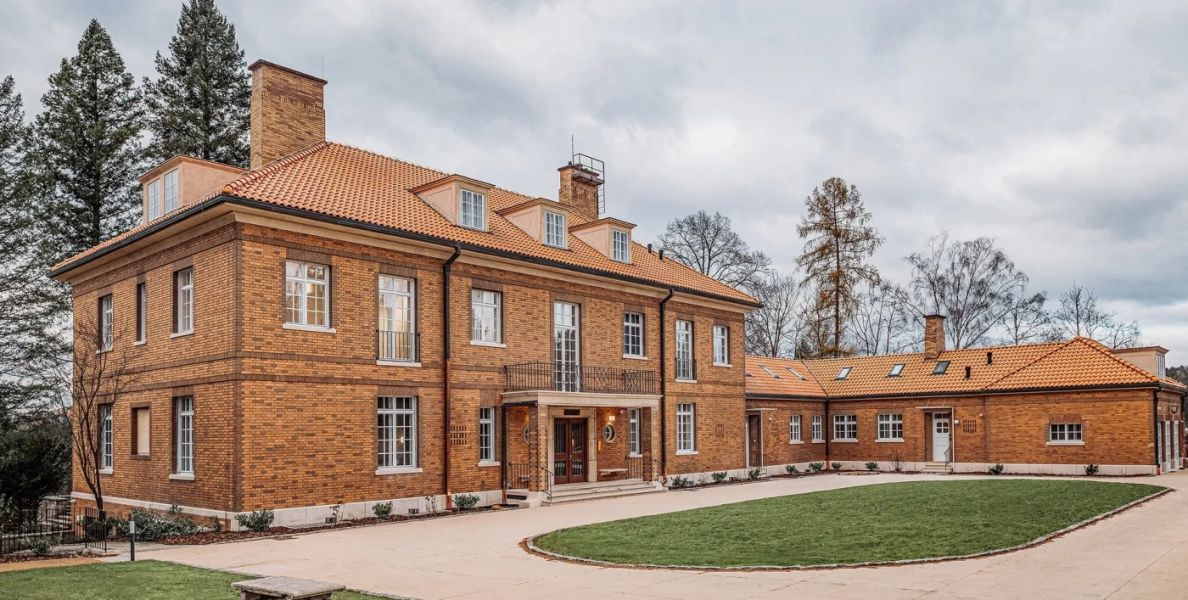
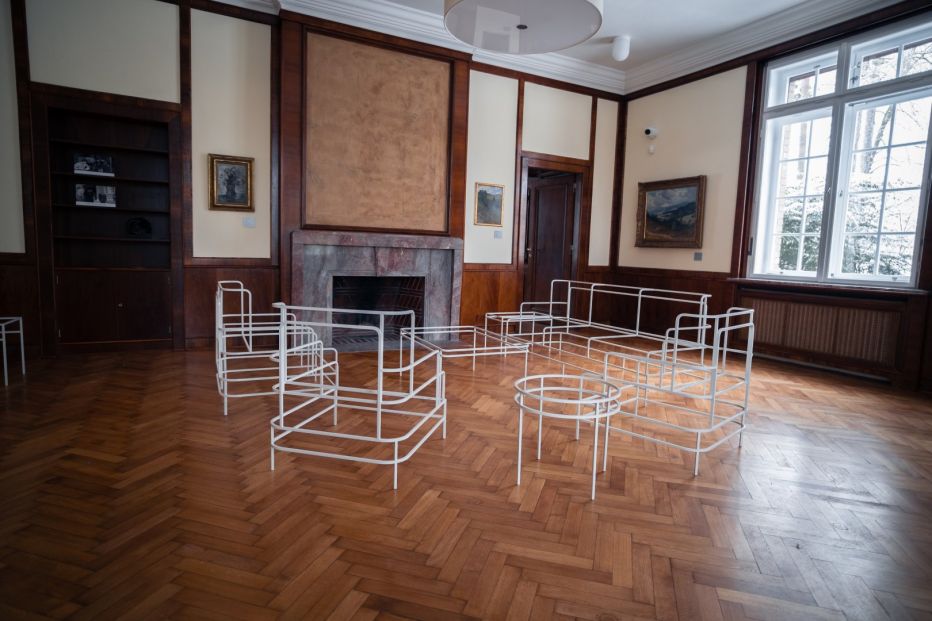
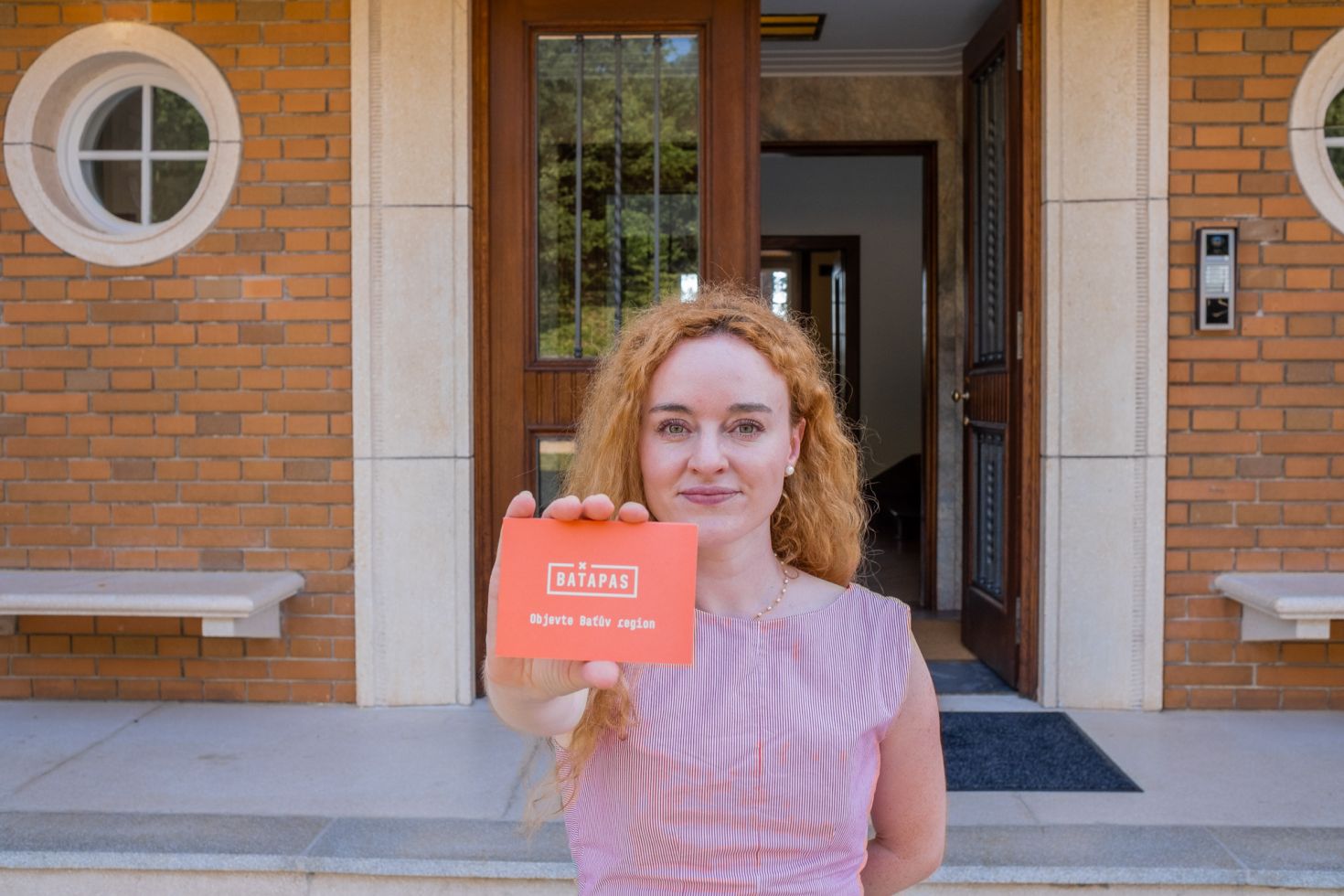
Čipera's villa in the Burešov district of Zlín is coming back to life. The director's villa, designed by Vladimír Karfík, is becoming a new cultural center where you can come to see not only the distinctive architecture and original layout and interiors, but also attend workshops or enjoy cultural events.
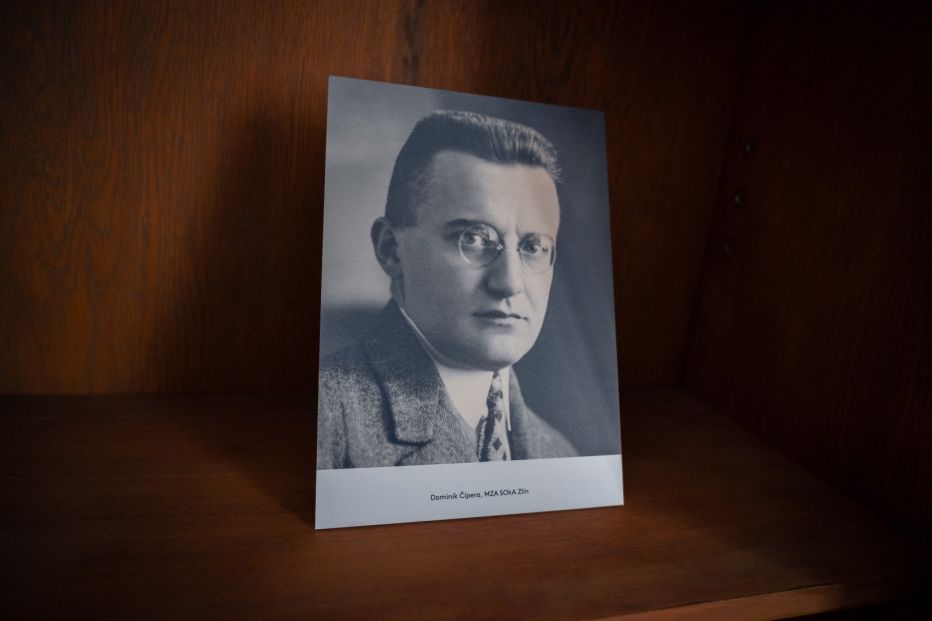
Dominik Čipera: Mayor of Zlín, Minister of Public Works, and second in command to Baťa
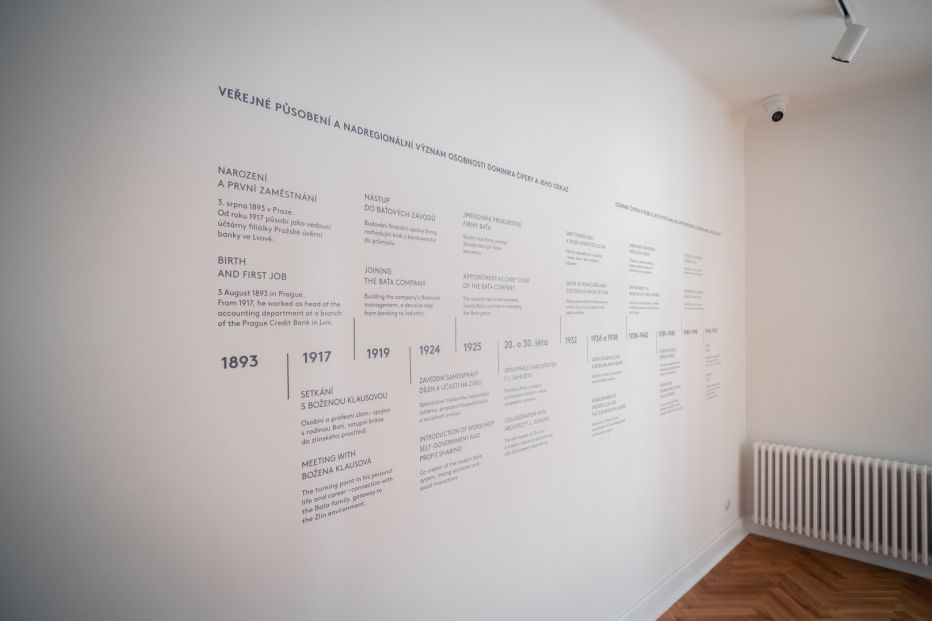
Dominik Čipera (1893–1963) was one of the most powerful figures in Baťa's world. He came to Zlín thanks to his wife Božena Klausová, the niece of Tomáš Baťa, who was also her guardian. While Dominik was asking for his niece's hand in marriage, Tomáš Baťa recognized his talent and hired him as the head of the accounting department. Together, they created a decentralized production system with self-governing workshops and employee profit sharing, which became iconic elements of the Baťa management system. Later, he also became the company's sole authorized representative, making him practically the second in command after the boss.
His work in Zlín went beyond the purely economic management of Baťa's businesses. He became mayor of Zlín and served as Minister of Public Works during the Protectorate. His ability to navigate crisis situations and act diplomatically earned him respect even outside Baťa's circle.
Čipera´s Villa: Modernism in the English Spirit
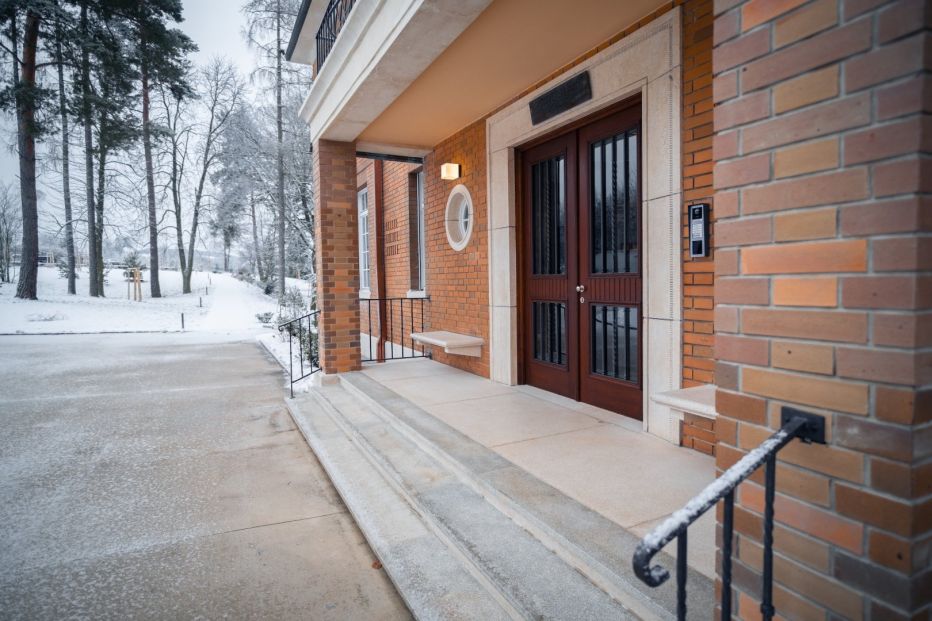
Like other directors, Dominik Čipera built a representative family residence in Zlín, which still reflects the elegance and modernity of the time. The design was created by Vladimír Karfík, one of the most prominent figures of Czechoslovak interwar architecture and the author of many buildings associated with Baťa's Zlín. In Čipera's villa, Karfík departs from the strict constructivist style typical of the city and creates a building that combines elements of modernism with influences from English rural architecture.
Executive villas in Zlín
During the 1930s and 1940s, a number of villas were built in Zlín for the executives of the Baťa company. They were characterized by standardization, functionalist principles, and an emphasis on practicality. However, Čipera's villa is different: its scale, architectural design, and aesthetic quality rank it among the finest realizations of this period. Karfík created a building that not only served as representative housing, but also became a prominent feature of the city skyline – a landmark that transcends its mere function as a residence.
Architecturally, the villa is also significant due to its location on Burešova Street, where it blends in with the surrounding buildings and complements the architectural diversity of Zlín's villa districts.
Transformation into a cultural center
After the war, the villa was confiscated and, after 1947, served as a children's home and crisis intervention center. This use resulted in modifications, but these did not destroy its architectural essence. In 2002, the building was listed as a cultural monument.
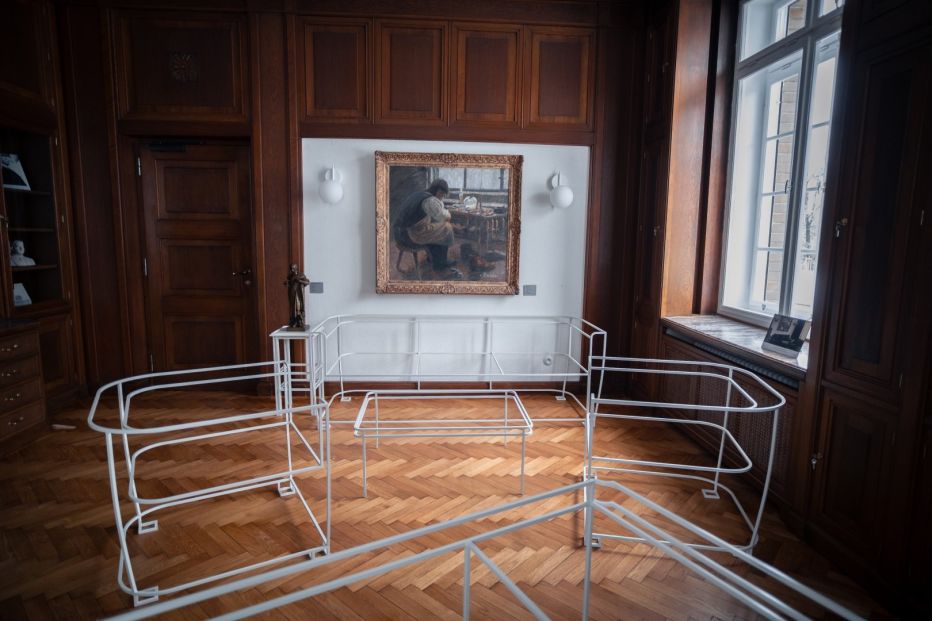
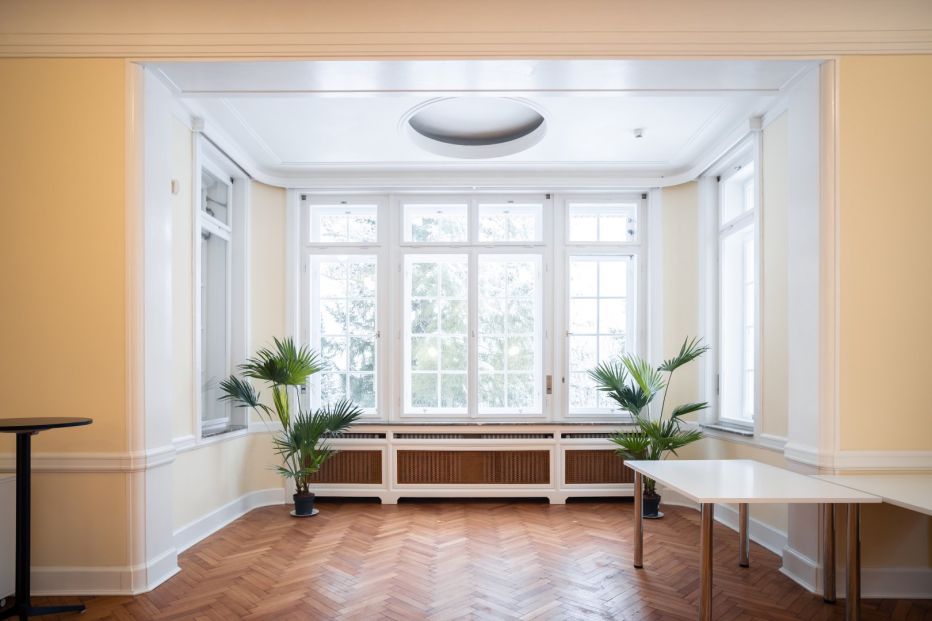
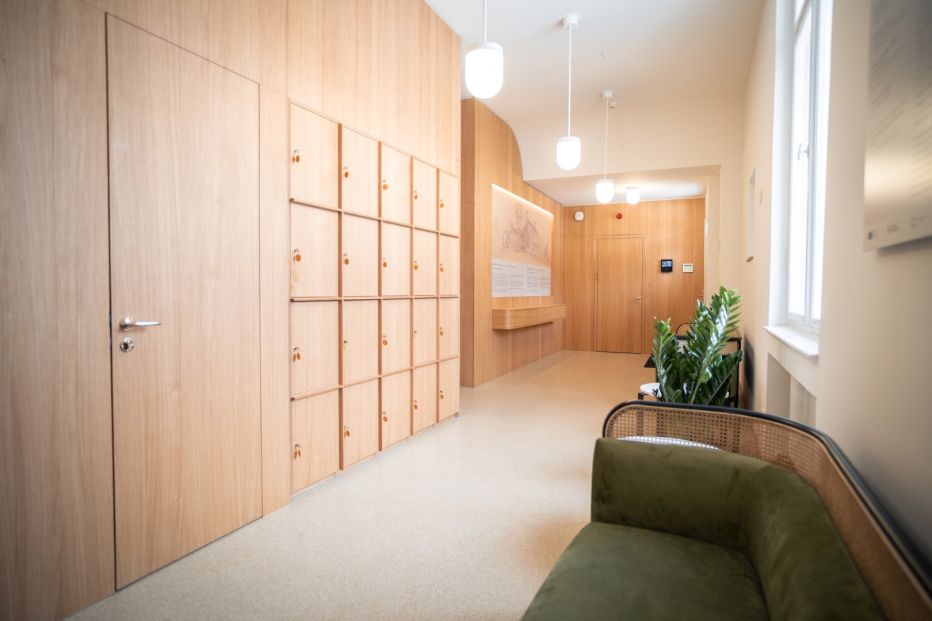
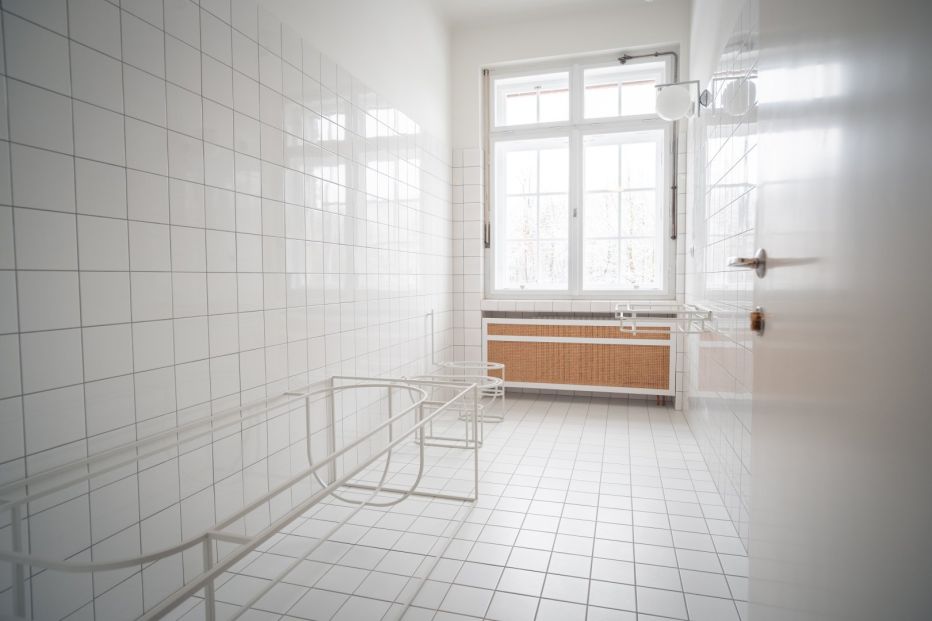
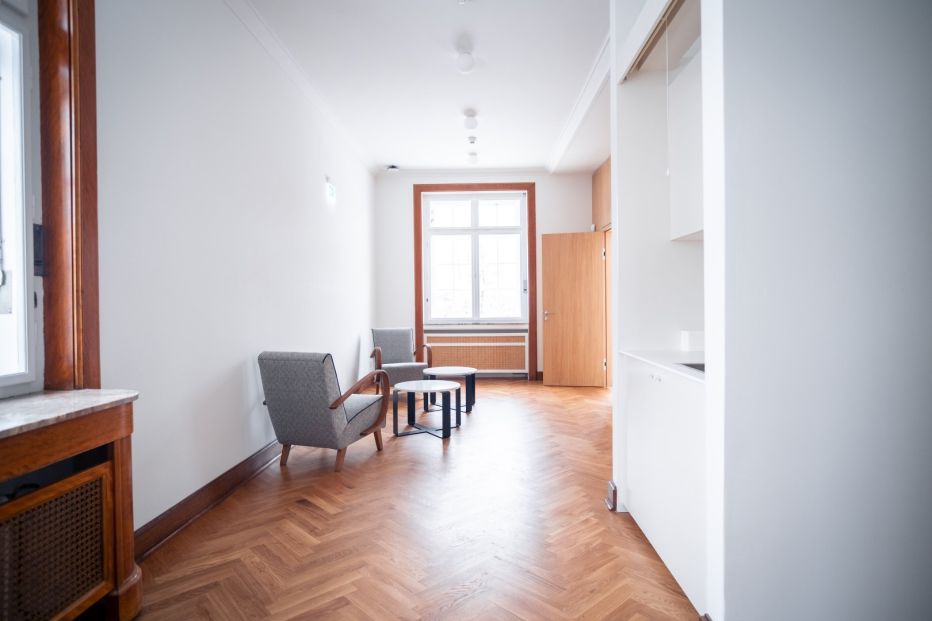
Today, the villa is undergoing extensive reconstruction to restore it as much as possible to its original appearance from the time when Dominik Čipera lived there with his family. Once completed, it will serve as a meeting place for artists, designers, students, and anyone seeking inspiration in architecture, art, and creative fields.
The project also includes an exhibition dedicated to Dominik Čipera himself – his life, his role in the Baťa empire, and his relationship to art and culture. The reconstruction includes the sensitive restoration of the interiors, technical systems, and adjacent park, giving the villa a new social function and making it an important point on Zlín's cultural map.